
Every teacher remembers the pressure of their first real classroom lesson. The shift from studying theory to managing a lively group of students reveals just how crucial hands-on experience is for new educators. With nearly 90 percent of trainee teachers reporting that supervised practice had the biggest impact on their confidence, understanding what teaching practice actually means can shape your entire professional journey. If you are training as a british educator, getting to grips with teaching practice will help you lay the strongest foundation for your future classroom success.
Table of Contents
Key Takeaways
| Point | Details |
| Importance of Teaching Practice | Teaching practice is essential for bridging theoretical knowledge with practical implementation in real classroom settings. |
| Diverse Approaches | Various models of teaching practice, such as block and hybrid placements, provide flexible learning opportunities tailored to individual needs. |
| Holistic Development | Effective teaching practice fosters not only technical skills but also personal growth, resilience, and adaptability in aspiring educators. |
| Innovative Alternatives | Modern educational strategies, like online simulations and remote mentorship, enhance traditional teaching practice methods, preparing educators for contemporary challenges. |
What Teaching Practice Means
Teaching practice represents a critically important phase in an educator’s professional journey, serving as a transformative experience that bridges theoretical knowledge with practical classroom implementation. At its core, teaching practice is a supervised instructional period where aspiring teachers apply their academic learning in real educational environments, developing essential skills that cannot be fully replicated in traditional lecture settings.
This immersive experience typically involves student teachers delivering actual lessons under the guidance of experienced mentors, allowing them to develop practical pedagogical techniques. Key components of teaching practice include lesson planning, classroom management, interactive instructional strategies, and systematic assessment methods. Educators learn to adapt their theoretical understanding to dynamic classroom scenarios, understanding that successful teaching requires flexibility, creativity, and responsive engagement with students.
Teaching practice serves multiple crucial purposes in professional teacher training. It provides opportunities for aspiring educators to:
Translate academic theory into practical classroom strategies
Develop classroom management skills
Build confidence in instructional delivery
Learn to assess student learning effectively
Understand the complex interpersonal dynamics of teaching
Professional development during teaching practice is not merely about technical skill acquisition but represents a profound personal and professional transformation. Student teachers gradually evolve from theoretical learners to confident practitioners, gaining insights into the nuanced art of education. By experiencing real classroom challenges and receiving constructive feedback from experienced educators, they develop the resilience and adaptability essential for long-term success in teaching. For those interested in deepening their understanding of comprehensive teaching preparation, our 200-hour online TEFL certification course offers comprehensive training and practical support.
Variations Of Teaching Practice
Teaching practice encompasses diverse models and approaches, reflecting the dynamic nature of educational training programmes. Institutional formats vary significantly, with different universities and teacher education centres adopting unique strategies to prepare student teachers for real-world classroom experiences. These variations ensure that aspiring educators can develop comprehensive skills through flexible and contextually relevant training methodologies.
Traditionally, teaching practice can be structured in several distinctive formats:
Weekly Placement: Student teachers teach once or twice a week, allowing them to balance academic studies with practical classroom experience
Block Placement: Intensive two to four-week continuous teaching experiences where students immerse themselves fully in school environments
Semester-Long Placement: Extended teaching practice periods integrated throughout an entire academic semester
Hybrid Placement: Combining online and in-person teaching experiences to provide versatile learning opportunities
Beyond scheduling variations, teaching practice also differs based on certification requirements. Some programmes are designed for uncertified teachers seeking initial qualification, while others support experienced educators seeking specialisation endorsements. These practicum experiences serve distinct professional development goals, ranging from foundational skill-building to advanced pedagogical expertise. For educators interested in exploring specialised teaching opportunities, our guide on teaching English to children in Asia offers valuable insights into targeted educational contexts.
Each variation of teaching practice offers unique benefits, enabling student teachers to develop adaptability, practical skills, and professional confidence through carefully structured learning experiences.
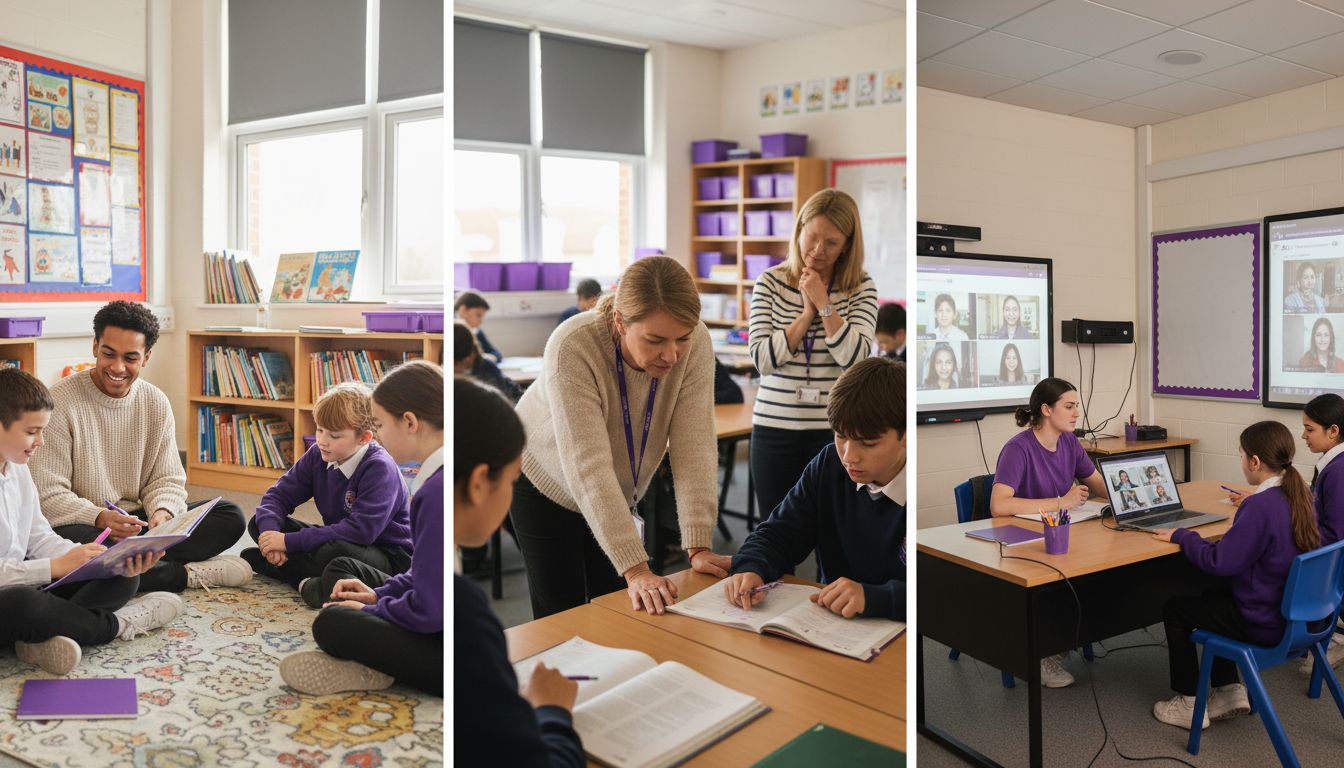 The key is matching the teaching practice format with individual learning objectives, career aspirations, and institutional requirements, ensuring a comprehensive and meaningful professional preparation journey.
How Teaching Practice Works
Teaching practice operates as a structured, supervised professional learning experience designed to bridge the gap between theoretical educational knowledge and practical classroom application. This critical phase of teacher training involves student teachers actively engaging in real educational environments, working closely with experienced mentors who guide their professional development and assess their emerging teaching capabilities.
The typical teaching practice process follows a carefully designed progression:
Preparation Phase: Student teachers undergo preliminary briefings and orientation sessions
Observation Stage: Trainees initially observe experienced educators conducting lessons
Gradual Intervention: Students begin delivering partial lessons under mentor supervision
Full Teaching Responsibility: Progressively taking complete classroom leadership
Reflective Assessment: Detailed feedback and self-evaluation sessions
During their practice, student teachers carry out didactic activities under the guidance of both their school-based mentor and university practice coordinator. These activities are meticulously designed to examine the practical applicability of theoretical knowledge acquired during their training programme. The process varies across different educational levels, including early childhood, middle childhood, and adolescent education programmes, each with specific competency requirements. For educators seeking to enhance their professional skills, our guide on essential English language teaching skills provides comprehensive insights into developing effective pedagogical approaches.
The ultimate objective of teaching practice is to transform theoretical understanding into practical expertise, allowing student teachers to develop critical professional skills such as lesson planning, classroom management, student engagement, and adaptive instructional strategies. By providing a supportive yet challenging environment, teaching practice ensures that emerging educators are well-prepared to navigate the complex and dynamic landscape of contemporary classroom instruction.
Requirements For Effective Teaching Practice
Effective teaching practice demands a comprehensive set of academic, professional, and personal requirements that ensure student teachers develop the necessary skills and competencies for successful classroom instruction. These multifaceted requirements extend beyond mere academic qualifications, encompassing practical skills, personal attributes, and professional standards that collectively prepare educators for the complex realities of modern teaching environments.
Key requirements for successful teaching practice include:
Academic Preparedness: Robust theoretical knowledge in educational methodologies and subject specialisation
Minimum Qualification Standards: Typically a bachelor’s degree or equivalent teaching certification
Professional Disposition: Demonstrated communication skills, adaptability, and interpersonal capabilities
Pedagogical Competence: Understanding of diverse instructional strategies and classroom management techniques
Practical Experience: Minimum practical teaching hours across multiple educational settings
Most teacher training programmes mandate that student teachers complete teaching practice in at least two distinct school environments, ensuring exposure to varied educational contexts and student demographics. This requirement helps developing educators understand the nuanced challenges and opportunities across different learning environments. The primary objective remains examining the practical applicability of theoretical knowledge, transforming academic understanding into real-world teaching expertise. For aspiring educators seeking comprehensive guidance on meeting professional teaching requirements, our guide on teaching requirements for international opportunities offers invaluable insights into navigating global teaching landscapes.
Beyond formal requirements, successful teaching practice demands continuous self-reflection, adaptability, and a genuine commitment to professional growth. Student teachers must demonstrate not only technical competence but also emotional intelligence, cultural sensitivity, and an unwavering dedication to supporting student learning. These holistic requirements ensure that emerging educators are prepared to create engaging, inclusive, and transformative learning experiences that extend far beyond traditional instructional boundaries.
Benefits And Limitations Of Practice
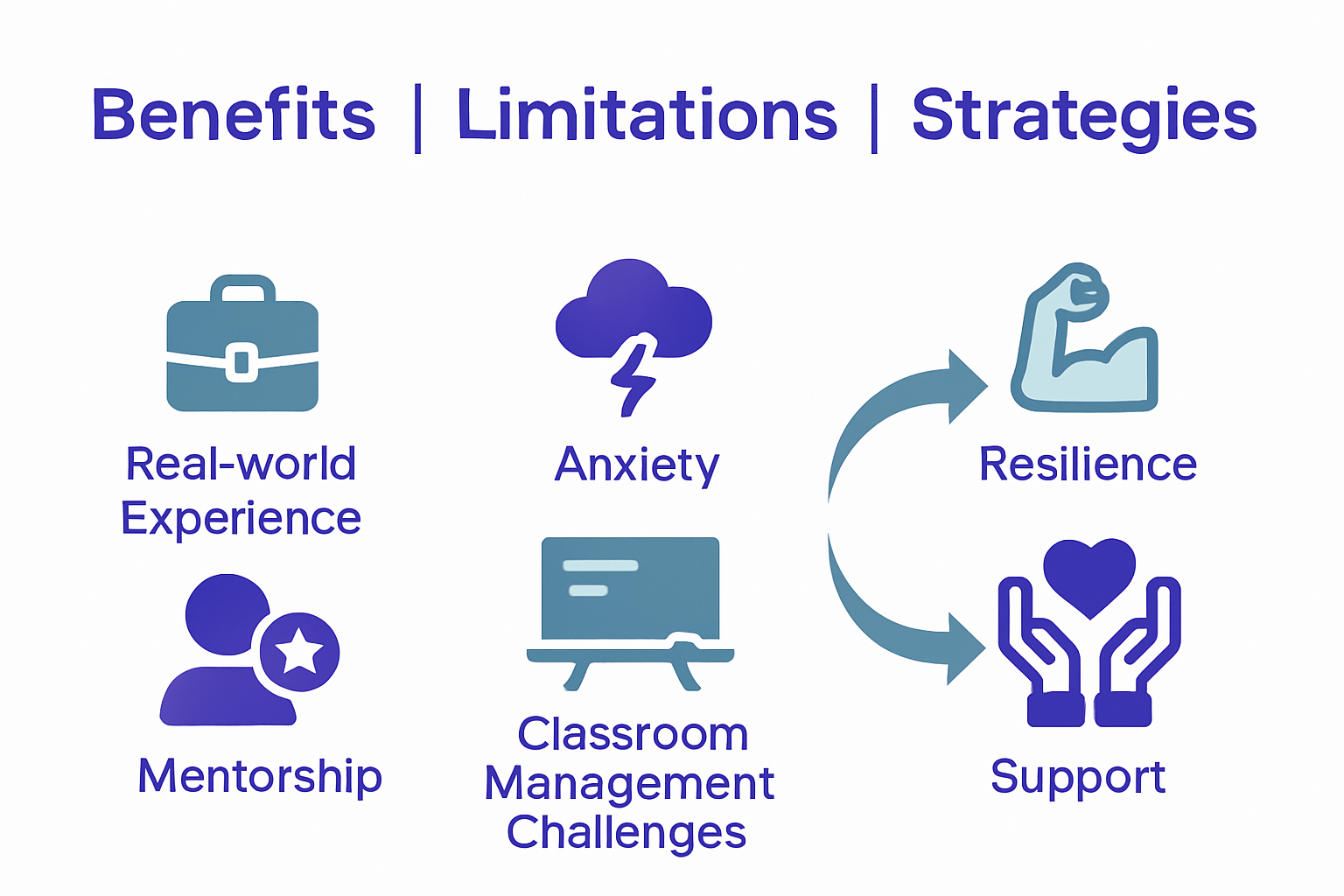
Teaching practice represents a complex learning experience that simultaneously offers tremendous professional opportunities and significant personal challenges for student teachers. This transformative journey presents a delicate balance between exciting learning experiences and potential professional uncertainties, requiring careful navigation and strategic personal development.
The key benefits of teaching practice include:
Real-World Experience: Direct exposure to authentic classroom environments
Professional Skill Development: Practical application of theoretical knowledge
Mentorship Opportunities: Guidance from experienced educators
Professional Networking: Building connections within educational institutions
Personal Growth: Enhanced confidence and professional self-awareness
However, student teachers also encounter notable limitations and potential challenges during their teaching practice. These may include experiencing significant performance anxiety, struggling with classroom management techniques, feeling uncertain about their instructional capabilities, and navigating complex interpersonal relationships with mentors and supervisors. Some student teachers might find themselves doubting their ability to manage unfamiliar situations or establish effective working relationships within new educational contexts. For comprehensive strategies to address these challenges, our guide on becoming a successful teacher provides invaluable professional insights and practical recommendations.
Ultimately, teaching practice represents a critical developmental phase that demands resilience, adaptability, and a growth-oriented mindset. While the experience can be emotionally and professionally challenging, it provides an unparalleled opportunity for aspiring educators to transform theoretical understanding into practical expertise, preparing them for the dynamic and rewarding world of professional teaching.
Alternatives To Traditional Teaching Practice
Modern teacher education is increasingly embracing innovative approaches that challenge conventional teaching practice models, recognising the need for more flexible, technology-enhanced, and contextually adaptive learning experiences. These alternatives aim to provide aspiring educators with comprehensive professional preparation that transcends traditional classroom-based training, leveraging digital technologies, simulated environments, and diverse learning platforms.
Contemporary alternatives to traditional teaching practice include:
Online Simulation Platforms: Virtual classroom environments allowing controlled practice scenarios
Micro-Teaching Workshops: Concentrated, short-duration teaching skill development sessions
Blended Learning Experiences: Combining digital and in-person instructional practice
Remote Mentorship Programmes: Digital coaching and professional guidance
International Virtual Exchange Programmes: Cross-cultural teaching experience without physical relocation
These alternative models draw from emerging conceptual frameworks like the DHAC model (Development of Habits through Apprenticeship in a Community), which emphasises holistic teacher formation beyond traditional practicum experiences. Such approaches integrate advanced technologies to analyse teaching styles, incorporating nuanced data from multiple interaction channels including speech patterns, facial expressions, body language, and instructional content. For educators seeking comprehensive professional development pathways, our guide on teaching requirements for international opportunities provides strategic insights into navigating diverse teaching landscapes.
By embracing these innovative alternatives, educational institutions are creating more inclusive, accessible, and technologically sophisticated pathways for teacher professional development. These approaches acknowledge the complex, multidimensional nature of contemporary teaching, preparing educators to thrive in increasingly digital, globalised, and rapidly evolving educational environments.
Bridge Theory and Practice with Expert TEFL Training
The journey through teaching practice can be challenging as you aim to develop classroom management skills, gain confidence in instructional delivery and translate educational theory into effective teaching. Many learners feel overwhelmed by the need to adapt quickly to real classroom scenarios while juggling lesson planning and assessment duties. This crucial phase demands not only practical experience but also professional guidance to transform uncertainty into mastery.
Our accredited TEFL courses provide the structured support and practical training needed to thrive during teaching practice and beyond. With options like the 200-hour online TEFL certification course, you can build essential skills such as lesson planning, classroom techniques and student engagement under expert mentorship. Start your journey with confidence by booking a free consultation through our website where you will receive personalised advice to match your career goals and teaching style. Don’t miss the opportunity to turn your teaching aspirations into a fulfilling global career—discover how today with EBC TEFL Course.
Frequently Asked Questions
What is teaching practice?
Teaching practice is a supervised instructional period where aspiring teachers apply their academic learning in real educational environments, developing essential teaching skills that cannot be fully replicated in traditional lecture settings.
What are the main benefits of teaching practice for student teachers?
The main benefits include real-world experience in authentic classroom environments, development of professional skills, mentorship opportunities, professional networking, and personal growth in confidence and self-awareness.
How does the teaching practice process work?
The teaching practice process typically involves a preparation phase, observation stage, gradual intervention where students begin teaching, taking full teaching responsibility, and undergoing reflective assessment with feedback from mentors.
What are some requirements for effective teaching practice?
Key requirements include academic preparedness, minimum qualification standards such as a bachelor’s degree, professional disposition like communication skills, pedagogical competence in instructional strategies, and practical experience across multiple educational settings.
