
Managing a classroom in Spain, France, or Italy requires much more than keeping students quiet or following strict rules. For aspiring English teachers, understanding the myths and real strategies behind classroom management is vital to building strong, supportive learning spaces that encourage genuine engagement. This guide highlights the shift from old-fashioned control to proactive student-centred approaches, showing how the right methods can lead to a positive environment that maximises both student achievement and teacher satisfaction.
Table of Contents
- Classroom Management Defined And Its Myths
- Key Elements Of Effective Classroom Control
- Types Of Classrooms And Management Approaches
- Role Of Accreditation In Classroom Success
- Common Challenges And How To Overcome Them
Key Takeaways
| Point | Details |
|---|---|
| Understanding Classroom Management | It involves creating supportive learning environments and fostering positive relationships, rather than merely enforcing discipline. |
| Key Components of Effective Management | Establish clear expectations, develop routines, and engage students through flexible communication and positive reinforcement. |
| Dynamic Approaches to Management | Blend traditional and student-centred strategies, adapting to individual needs and maintaining flexibility within the classroom. |
| Accreditation Importance | Accreditation ensures educators meet high standards, promoting continuous improvement and effective classroom practices in teaching. |
Classroom Management Defined and Its Myths
Classroom management is a multifaceted approach educators use to create effective learning environments. Far more complex than merely controlling student behaviour, it represents a strategic framework for maximising academic engagement and fostering positive classroom dynamics.
At its core, classroom management involves creating supportive learning environments through deliberate techniques and practices. These strategies go beyond traditional notions of discipline and focus on proactively establishing conditions that encourage student participation, respect, and academic success.
Common myths about classroom management often misrepresent its true nature. Many educators mistakenly believe that management is about rigid control and obedience. However, effective classroom approaches actually involve collaborative interactions and creating supportive relationships between teachers and students.
Key aspects of classroom management include:
- Establishing clear behavioural expectations
- Developing consistent routines
- Creating engaging lesson structures
- Building positive student-teacher relationships
- Implementing responsive communication strategies
Successful classroom management requires teachers to be adaptable, empathetic, and strategic. It demands understanding individual student needs while maintaining a structured learning environment that promotes collective academic growth.
Pro tip: Invest time in building strong interpersonal connections with students, as genuine relationships are the foundation of effective classroom management.
Key Elements of Effective Classroom Control
Classroom control represents a sophisticated approach to creating an optimal learning environment that goes beyond traditional disciplinary methods. Effective educators understand that managing student behaviour requires strategic planning, emotional intelligence, and a proactive mindset.
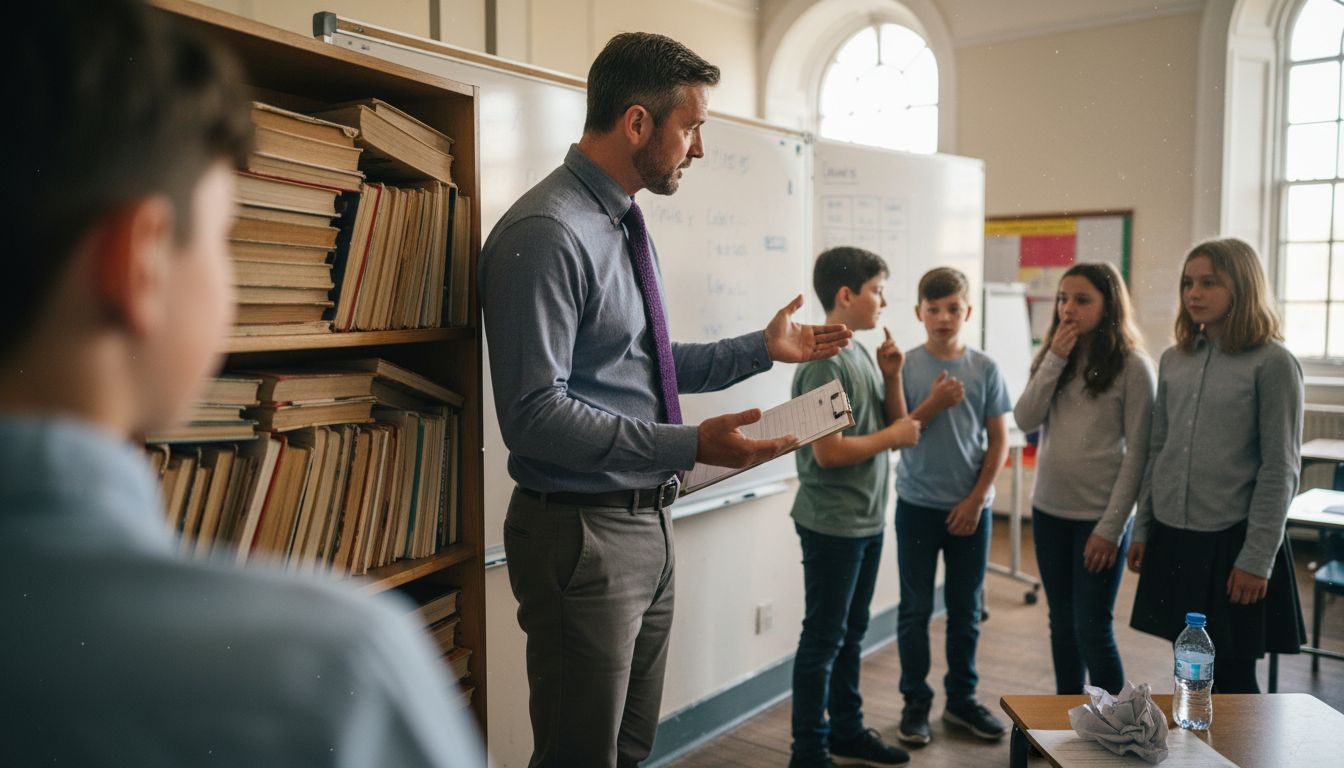
At its core, evidence-based classroom management involves comprehensive strategies that address multiple dimensions of student interaction. These strategies are designed to minimise disruptions while maximising academic engagement and creating a positive learning atmosphere.
Proactive management techniques are crucial in establishing classroom control. Effective instructional strategies focus on prevention rather than reactive responses, emphasising the importance of setting clear expectations and creating structured learning environments.
Key elements of effective classroom control include:
- Establishing clear and consistent behavioural guidelines
- Developing predictable classroom routines
- Creating engaging and well-structured lesson plans
- Implementing flexible communication strategies
- Using positive reinforcement techniques
- Maintaining a calm and respectful classroom atmosphere
Successful classroom control is not about strict enforcement, but about creating an environment where students feel respected, understood, and motivated to learn.
Teachers must balance structure with flexibility, understanding that each classroom is unique and requires personalised management approaches. This involves reading the room, adapting strategies to individual student needs, and maintaining a consistent yet compassionate demeanour.
Pro tip: Develop a personalised classroom management plan that reflects your teaching style and adapts to your students’ specific learning dynamics.
Types of Classrooms and Management Approaches
Classroom management approaches represent a dynamic spectrum of strategies that educators can employ to create effective learning environments. Understanding these diverse approaches helps teachers adapt their techniques to meet the unique needs of different student groups and learning contexts.
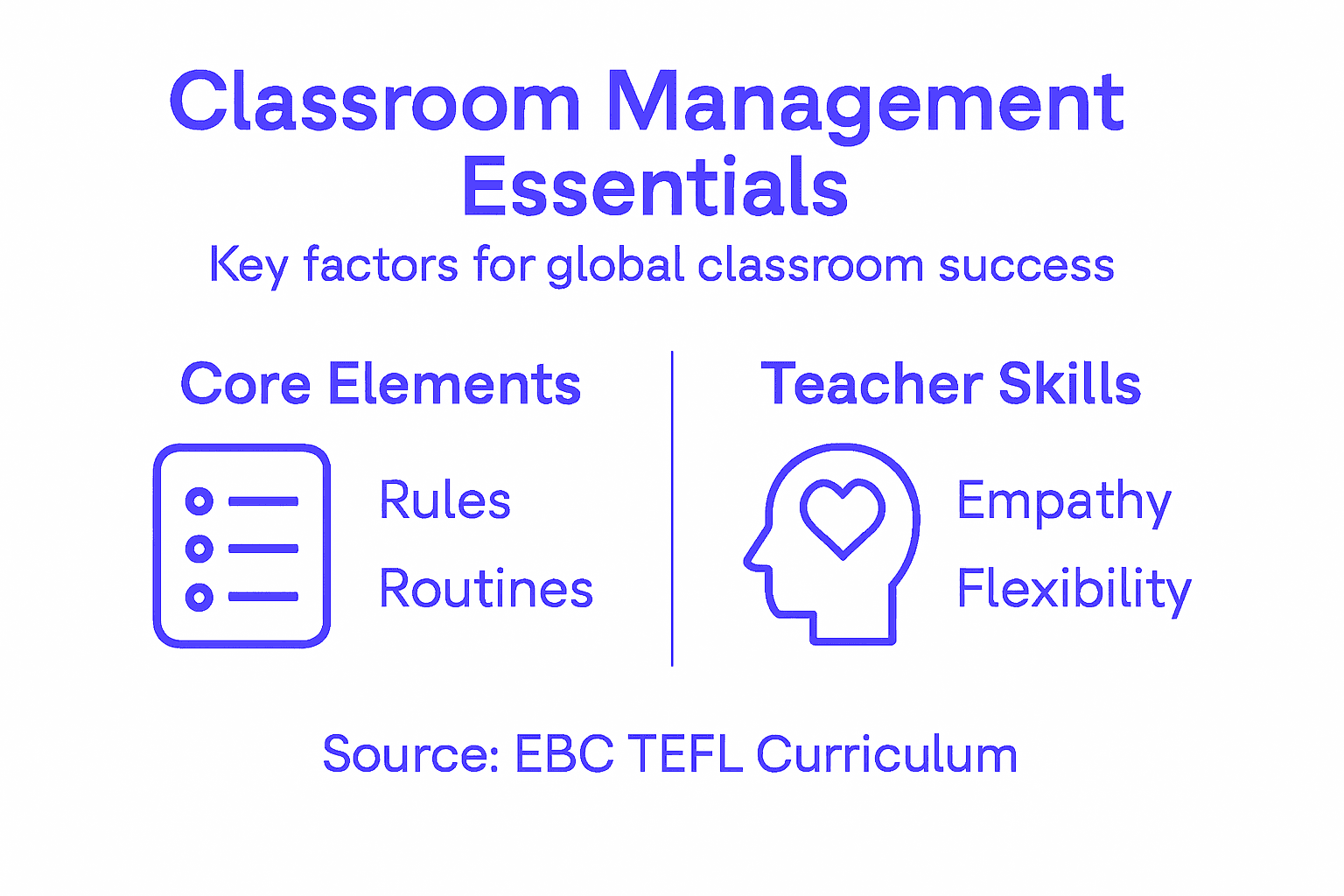
Classroom management strategies have evolved significantly, transitioning from traditional control-based models to more nuanced, student-centered approaches. This transformation reflects a deeper understanding of how learning occurs and the critical role of student engagement in academic success.
Two primary classroom management paradigms emerge in contemporary educational practice:
Traditional Classroom Management Approaches:
- Emphasise strict discipline and teacher-directed learning
- Focus on compliance and rule enforcement
- Prioritise structured, predictable learning environments
- Rely on hierarchical teacher-student relationships
Student-Centered Management Approaches:
Here is a side-by-side comparison of traditional and student-centred classroom management approaches:
| Aspect | Traditional Approach | Student-Centred Approach |
|---|---|---|
| Authority Structure | Teacher-led, hierarchical | Collaborative, shared decision-making |
| Student Engagement | Compliance-based | Motivation through autonomy |
| Behaviour Focus | Rule enforcement | Self-regulation and accountability |
| Learning Environment | Structured and predictable | Flexible and personalised |
| Teacher Role | Directive instructor | Facilitative guide |
- Promote student autonomy and self-regulation
- Encourage collaborative learning experiences
- Develop intrinsic motivation
- Support personalised learning pathways
- Foster mutual respect between teachers and students
Effective classroom management is not about controlling students, but about creating an environment where students feel empowered to take ownership of their learning journey.
Successful teachers understand that no single approach works universally. The most effective classroom management strategies blend elements from different models, remaining flexible and responsive to individual student needs and dynamic classroom dynamics.
Pro tip: Develop a flexible classroom management approach that can be adapted and modified based on ongoing student feedback and classroom observations.
Role of Accreditation in Classroom Success
Accreditation serves as a critical benchmark for ensuring high-quality educational standards and effective classroom management practices worldwide. It represents a comprehensive evaluation process that validates an institution’s commitment to excellence in teaching and learning environments.
Professional classroom standards play a pivotal role in establishing global educational benchmarks. Accreditation bodies systematically assess educators’ capabilities, ensuring they possess the necessary skills to create engaging, supportive, and productive learning spaces that promote student success.
Key dimensions of accreditation in classroom management include:
- Comprehensive teacher training evaluation
- Rigorous assessment of instructional methodologies
- Verification of professional competency standards
- Continuous professional development requirements
- Standardised behaviour management protocols
- Evidence-based pedagogical approaches
Professional training programmes require educators to demonstrate specific competencies that transcend traditional teaching methods. Ongoing teacher training ensures that educators remain adaptive, responsive, and equipped with contemporary classroom management techniques.
Accreditation is not merely a certificate, but a commitment to maintaining the highest standards of educational excellence and student support.
Moreover, accreditation provides a structured framework for continuous improvement. It encourages educators to reflect critically on their practices, seek innovative solutions, and maintain a growth-oriented approach to classroom management.
Pro tip: Pursue accredited training programmes that offer comprehensive classroom management modules and ongoing professional development opportunities.
Common Challenges and How to Overcome Them
Classroom management presents numerous challenges that even experienced educators find complex and nuanced. Understanding these challenges requires a comprehensive approach that goes beyond traditional disciplinary techniques and focuses on proactive, supportive strategies.
Classroom power dynamics represent a critical aspect of addressing educational challenges. Teachers must shift from authoritarian models to collaborative environments that empower students and create mutual respect.
Common classroom challenges include:
- Managing diverse learning styles
- Addressing disruptive behaviours
- Maintaining student motivation
- Creating inclusive learning environments
- Balancing individual and group needs
- Managing technological distractions
Behavioural intervention strategies require nuanced understanding. Proactive teaching methods emphasise establishing clear expectations, understanding behaviour root causes, and developing constructive response mechanisms.
Effective classroom management transforms challenges into opportunities for growth, learning, and mutual understanding.
Successful educators recognise that challenges are not obstacles but opportunities for developing more sophisticated teaching approaches. This requires continuous learning, emotional intelligence, and a commitment to creating supportive educational environments.
The following table summarises strategies for overcoming typical classroom management challenges:
| Challenge | Effective Response Technique | Outcome Sought |
|---|---|---|
| Diverse learning styles | Differentiated instruction | Inclusive participation |
| Disruptive behaviours | Preventive guidance, clear limits | Reduced interruptions |
| Maintaining motivation | Regular feedback and rewards | Sustained engagement |
| Technological distractions | Purposeful tech integration | Focused classroom attention |
| Balancing individual needs | Adaptive grouping | Equitable learning support |
Pro tip: Develop a flexible classroom management approach that anticipates potential challenges and creates adaptive, supportive response strategies.
Transform Your Understanding of Classroom Management into a Global Teaching Career
Classroom management is at the heart of effective teaching, requiring clear strategies, cultural adaptability, and empathetic communication. If you want to turn these essential skills into a rewarding profession that offers global opportunities, EBC TEFL provides internationally accredited training through Trinity College London. Our programmes equip you with practical, hands-on experience plus the knowledge to foster positive learning environments worldwide.
Start your journey with EBC TEFL’s comprehensive Trinity CertTESOL and specialised courses or explore our unique 1-year study and work abroad programmes in Spain, France, and Italy. Benefit from visa support, language study, cultural immersion, and lifetime global job placement assistance. Take control of your teaching future today by booking a free consultation at EBC TEFL. Your classroom management skills deserve a vibrant international stage.
Frequently Asked Questions
What is classroom management?
Classroom management refers to the strategic framework educators use to create effective learning environments, focusing on maximising student engagement and fostering positive dynamics.
Why is classroom management important?
Effective classroom management is crucial for creating a supportive learning environment that encourages student participation, academic success, and positive behaviour among students.
What are key elements of effective classroom management?
Key elements include establishing clear behavioural expectations, developing consistent routines, creating engaging lesson structures, and building positive student-teacher relationships.
How can teachers overcome common classroom management challenges?
Teachers can address challenges by implementing proactive teaching strategies, such as establishing clear expectations, offering differentiated instruction, and providing regular feedback to maintain student motivation.
Recommended
- 200-Hour Online TEFL Certification | EBC with Trainer Support
- What makes a great teacher? – EBC Trinity CertTESOL and TEFL courses
- Six great tips to keep your students attentive and focussed – EBC Trinity CertTESOL and TEFL courses
- Teach online and face-to-face: Get certified to do both – EBC Trinity CertTESOL and TEFL courses